
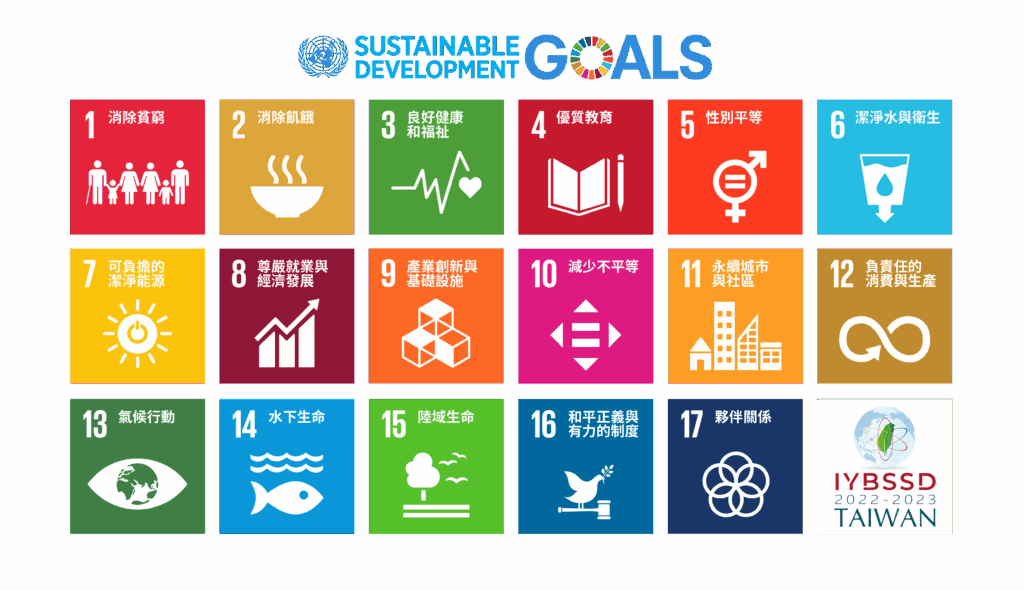
Through education, practical collaboration, curriculum design, and student development, the department actively contributes to the United Nations Sustainable Development Goals (SDGs). This page summarizes the department’s aligned SDG targets, specific actions, and related resources, allowing visitors to clearly see the connection between the department and sustainable development.
The department aims to cultivate students with core FinTech competencies. Through interdisciplinary courses (such as FinTech fundamentals, AI analytics, and blockchain applications) and practice-oriented teaching, students are equipped with the skills needed to face future challenges.
The department emphasizes student career development. Through industry–academia collaboration, internship opportunities, and connections with the professional sector, students build workplace competitiveness and enhance employability, guiding them toward career paths that support decent work and economic growth.
The department emphasizes practical FinTech innovation, integrating technological research with industry needs to promote hands-on innovation. This includes data analytics platforms, blockchain projects, and practical workshops, strengthening industry connections and building practical skills in digital infrastructure.

The department incorporates the principles of inclusive finance and technology equity into its curriculum design and student support initiatives, for example:
Encourage students to participate in service learning or collaborate with NGOs to understand the financial needs of disadvantaged groups
Use industry–academia collaboration projects to apply technological tools in addressing real-world inequality issues

The department builds partnerships with businesses, research institutions, and civil society through cross-industry and interdisciplinary collaboration, promoting resource sharing and sustainable practices, for example:
Co-plan FinTech hands-on projects with industry partners, allowing students to participate directly
Collaborate with government agencies or foundations to promote socially-oriented initiatives
Encourage students to participate in domestic and international competitions, expanding perspectives through collaboration and exchange
The department collaborates with companies on FinTech projects, where students participate in practical development and produce deliverables, successfully enhancing corporate computing efficiency and business processes.
The department organizes SDGs & FinTech workshops, allowing students to gain hands-on understanding of how SDGs integrate with industry practices.